
COURSE NAVIGATION
Lecture 4: Odyssey - Heart and Home
In the 4th of 17 lectures in his "Civilizing the Barbarians" course, Stepanov discusses Homer's "Odyssey," which is a second epic poem by Homer. It follows the return of the hero Odysseus, who is known for his bravery and cunning, to his home after the events of "The Iliad." Stepanov suggests that "The Odyssey" was written by an older Homer, and that it is structurally amazing and addresses certain aspects of humanity that "The Iliad" does not.
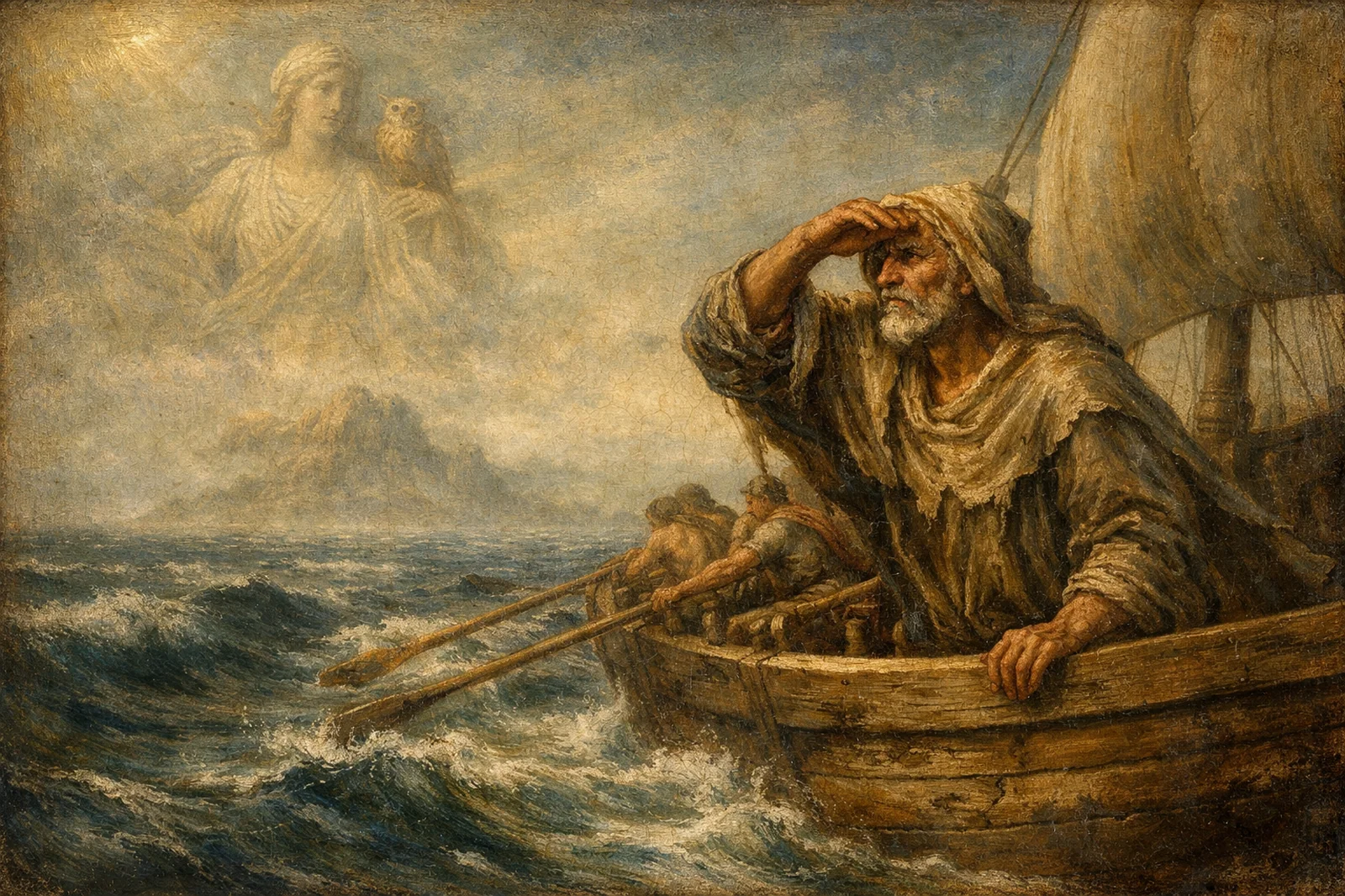
The central theme of the poem is return, with multiple returns including the return of Odysseus to his home, the return of the suitors who were vying for the hand of Odysseus' wife Penelope, and the return of Odysseus from Calypso's island. On Odysseus' return journey, minor divinities like Calypso and major divinities, like the god Poseidon and the goddess Athena, behave just like the gods and goddesses of "The Iliad" whereby they actively interfere in the lives of mortals.
When Odysseus finally returns to his home in Ithaca, he requires the help of Athena, as well as the help of his son, his faithful servant, and his old nursemaid in order to make a plan to reclaim his kingdom and his wife. Stepanov touches on the idea that return is not always simple and may come with its own set of struggles and difficulties. Be warned that Stepanov provides many clues into how the return portion of "The Odyssey" resolves. So, if you don't want to hear too much about the ending, stop watching this lecture around the 28 minute mark.