
COURSE NAVIGATION
Lecture 2: Homer/Iliad
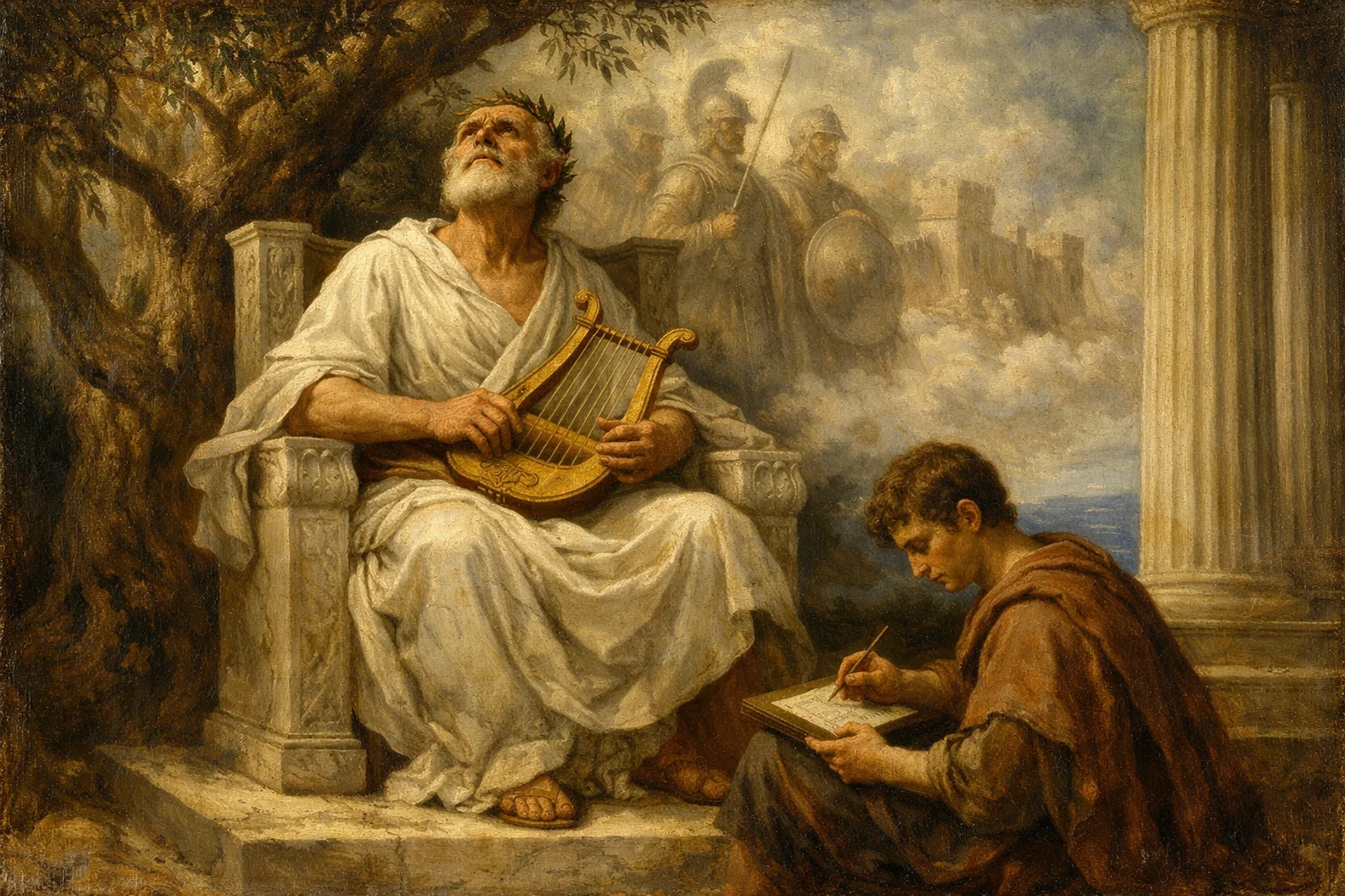
In the 2nd of 17 lectures in his "Civilizing the Barbarians" course, Stepanov discusses the sudden emergence and rapid spread of Western civilization, specifically referencing "The Iliad" as the "most perfect book" ever produced. He notes that the language and content of "The Iliad" are rich and sophisticated, and that the spread of the work led to an increase in literacy. Stepanov also touches on the lasting impact of "The Iliad," including the fact that it was studied and revered for centuries and that it influenced other writers and works. He discusses the mysterious nature of Homer's life and the tradition that he was blind, suggesting that this may have allowed for a more objective perspective in his works and a focus on the "architecture" of the poem. Stepanov also touches on the themes of the Iliad and the role of the gods in the story. He notes that the historical basis for the work is not important and that the focus of "The Iliad" is not on the conflict between the Greeks and Trojans, but rather on the conflict between two Greek characters, Achilles and Agamemnon. Stepanov discusses the concept of a hero in "The Iliad" and how it may differ from popular conceptions of heroes, noting that the characters in "The Iliad" are complex and that it is ambiguous as to who the good guys are in the story.