
COURSE NAVIGATION
Lecture 13: In the Beginning
In the 13th of 17 lectures in his "Civilizing the Barbarians" course, Stepanov introduces the Pentateuch, which refers to the first five books of the Bible. These books — Genesis, Exodus, Leviticus, Numbers, and Deuteronomy — are known as the Torah in the Jewish tradition and as the beginning of the Old Testament in the Christian tradition. Stepanov also mentions the concept of a Hexateuch, which groups Joshua with the other five books. Importantly in this lecture, Stepanov encourages listeners to read Genesis, which is included in his short canon. He also highlights the importance of Deuteronomy by stating that it is considered the foundation of Jewish and Christian religious laws, beliefs, and history.
In historical context, Stepanov discusses how the Jews were fighting various nations, including Romans, Greeks, Syrians, Egyptians, and others. He highlights that the reason they were fighting was for their religion. Stepanov says Jews had their own God, who gave them the law, and they were prepared to die for the law. Stepanov mentions that Deuteronomy contains a remarkable summary of Jewish law. He also mentions the importance of the feast of Shevat Pentecost. This feast is one of three biblical pilgrimage festivals, along with Passover and Sukkot, that are commanded in the book of Leviticus. The feast is significant because it's associated with the giving of the law at Mount Sinai, as described in the book of Exodus.
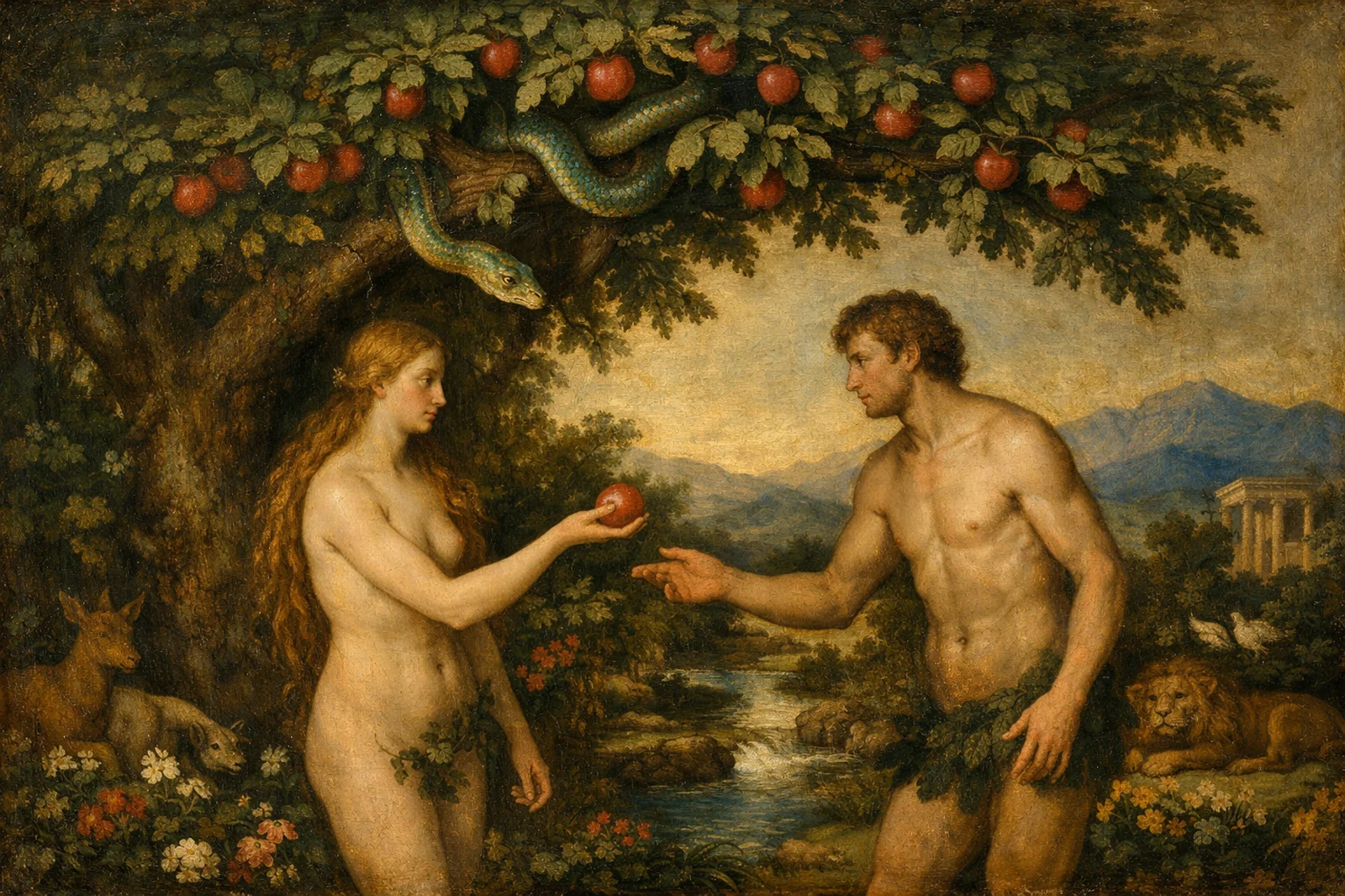
Next, Stepanov gives a detailed analysis of the contents of Genesis, which starts with two accounts of creation, the first being a poetic piece structured in terms of days and the second being completely different, where God puts order in the dry parched land and creates man out of clay. He also talks about the Garden of Eden, the tree of knowledge of good and evil, and the tree of life, which are central to the story in Genesis.
In conclusion, Stepanov stresses the importance of reading Genesis as part of his short canon and how it is a wonderful adventure that should be read by everyone. He encourages readers to read the text as it stands, and not to be swayed by modern interpretations.