
COURSE NAVIGATION
Lecture 1: Civilizing the Barbarians
Stepanov begins the first lecture in his "Civilizing the Barbarians" course by discussing "The Clash of Civilizations and the Remaking of World Order" by Samuel P. Huntington. This book posits that conflicts in the 21st century and beyond will be between civilizations rather than nation-states or political systems. He goes on to discuss the concept of a culture, which he defines as "the way people do things." He notes that culture and civilization are often used interchangeably, but they are not the same thing. He then introduces the concept of a "great tradition," which refers to the shared cultural and intellectual heritage of a civilization.
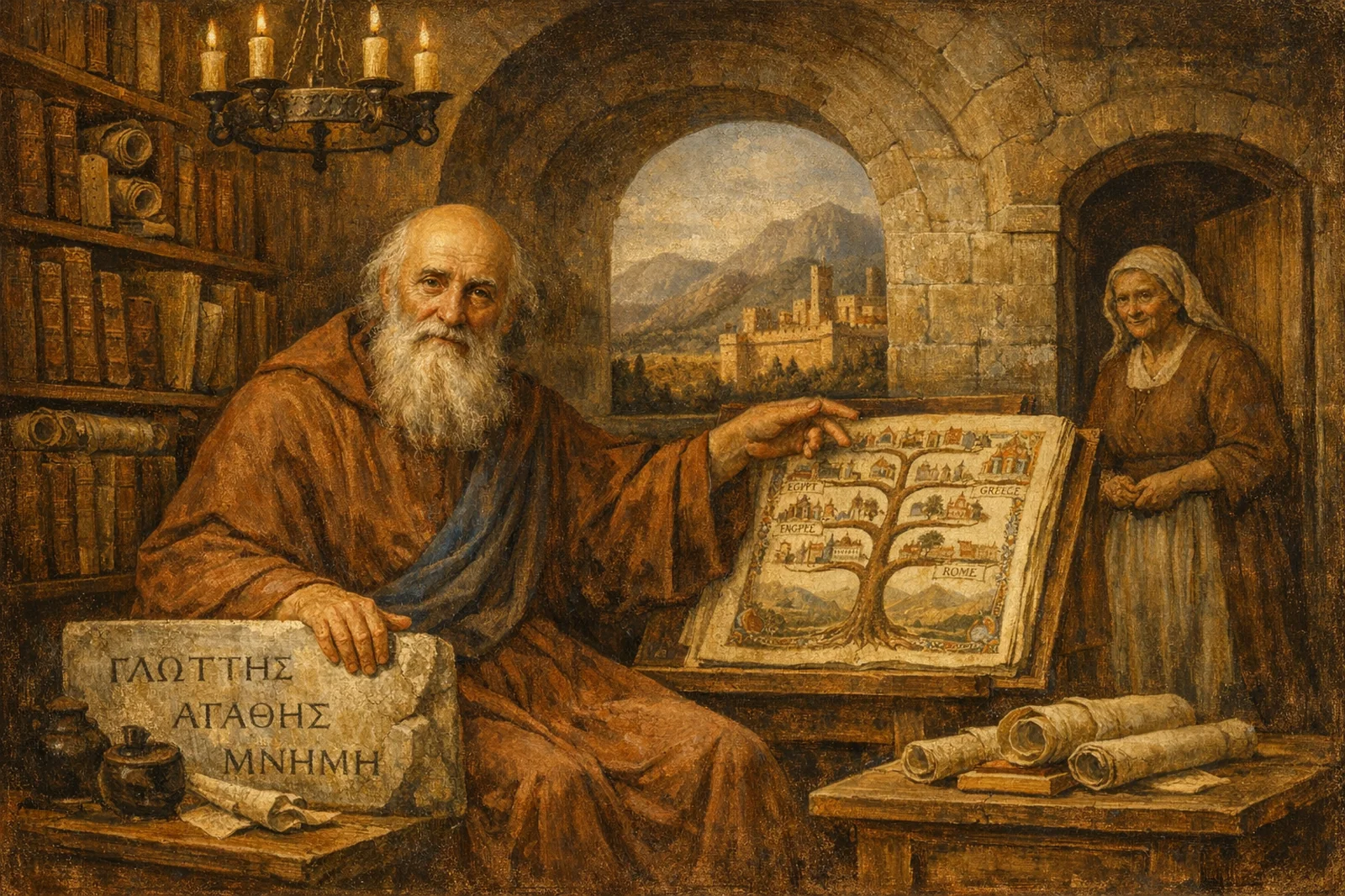
Stepanov continues by discussing the role of culture and traditions in shaping a civilization. He mentions a television show in India called "Mahabharata," which united India and played a role in defining Indian civilization. Stepanov also notes that grandmothers have historically been a "great civilizing force" by passing down stories and traditions to younger generations. However, he mentions that there is a decline in this practice in modern society. Stepanov discusses the idea that civilizations are shaped by the stories and myths that are central to their culture, and that these stories can have a powerful influence on people's values and behavior.
Stepanov states that the purpose of his course is to examine the great traditions that have shaped Western civilization, and to understand the values and ideas that have shaped the modern world. He argues that it is not necessary to read a large number of books in order to be civilized, but rather to identify and read the books that have had a lasting influence on the development of a civilization. Stepanov recommends starting with the "Iliad," which he believes is essential for anyone seeking to be civilized. He notes that there are multiple translations of the "Iliad" available, and suggests looking at a few different versions to find one that works best for the reader. Stepanov concludes by encouraging the audience to develop a love for these great works and to keep reading and rereading them throughout their lives.